Signs it’s Time for an Evaporator Coil Replacement
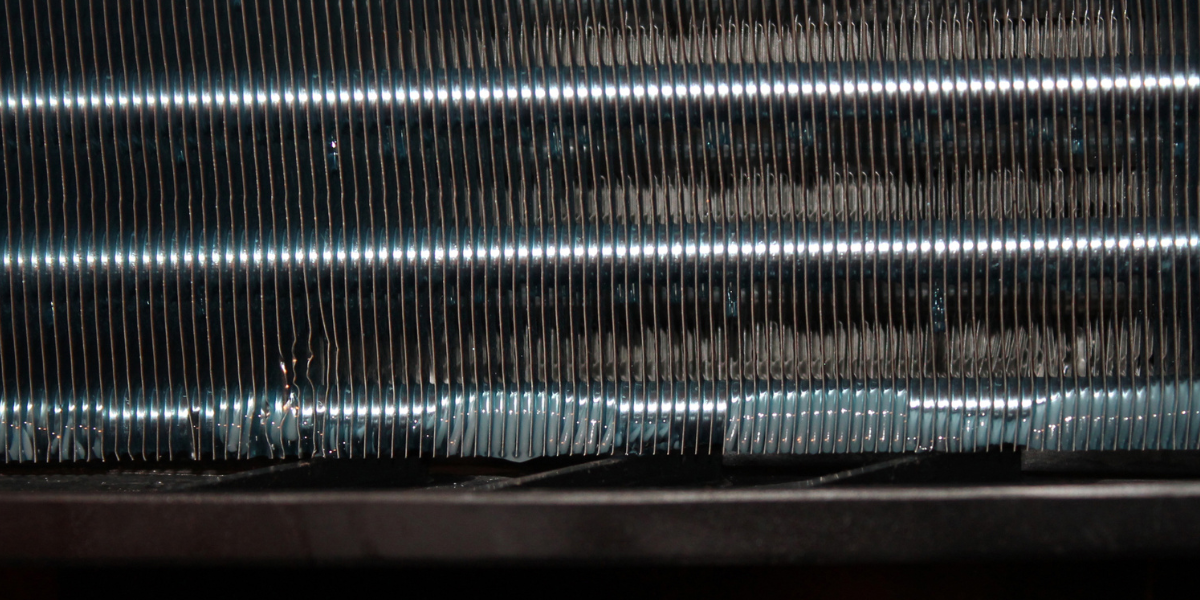
Do you suspect your evaporator coil needs replacing? Evaporator coil replacement is typically only necessary when a coil begins to fail, but understanding the early warning signs can help prevent larger system issues. Keep reading to find out what to look for.
What the Evaporator Coil Does in an HVAC System
During normal operation, the evaporator coil absorbs heat from the airstream while refrigerant passes through copper tubes and aluminum fins. The design relies on clean fin surfaces, proper airflow and a sealed refrigerant circuit.
Most commercial and industrial coils use copper tube walls between 0.014-0.020 inches thick, paired with aluminum fins ranging from 6-14 FPI (fins per inch). Any loss of fin surface, corrosion, or tube damage reduces heat transfer. Over time, environments with moisture, chemicals or poor filtration accelerate deterioration.
CS Coil works with these variables daily. Our team rebuilds and manufactures evaporator coils that match/exceed original performance, making us familiar with how coil failures usually develop. This experience helps us determine when evaporator replacement is the better option.
Why Evaporator Coils Fail
Evaporator coils fail for a few predictable reasons: exposure to corrosive environments, restricted airflow from poor filtration, incorrect refrigerant pressures, and the natural expansion and contraction that comes with years of operation. These conditions gradually weaken the tubing and fins until leaks form or heat‑transfer performance drops. Once the coil surface is compromised, efficiency falls quickly and replacement becomes the practical solution.
Common Signs an Evaporator Coil Needs Replacement
Before issues become severe, most coils show patterns that indicate declining performance or developing failures.
1. Reduced cooling output
If your system struggles to reach setpoint (or runs longer cycles than normal) the evaporator coil may be losing heat‑transfer capacity. Fin oxidation, bent fins and contamination reduce the coil’s ability to move heat into the refrigerant. Even a small drop in effective surface area can create a noticeable decline in cooling.
2. Frequent refrigerant leaks
Leaks can often come from:
- Formicary corrosion inside copper tubing
- Vibration that weakens solder joints
- Pinholes from chemical exposure
A single repair might hold for a while, but repeated leaks signal tube wall breakdown. Once corrosion spreads, coil replacement becomes more practical than constant repairs.
3. Excessive ice formation
Ice on the coil/suction line is a sign of temperature imbalance. Restricted refrigerant flow or poor fin contact causes the coil surface to drop below freezing. Ice buildup lowers airflow even further, which compounds the problem. Persistent freezing usually points to internal deterioration.
4. Rising energy bills
When the coil can’t absorb heat efficiently, the compressor works harder to compensate. Even a 10–15% loss in coil performance can show up as noticeably higher utility costs.
5. Unusual odors or IAQ complaints
A musty smell or visible buildup on the coil often means moisture is being trapped instead of draining. Over time, corrosion and fin thinning interfere with airflow and create pockets where debris collects. These conditions can affect indoor air quality and system performance.
6. Repeated service calls
If the same symptoms keep returning (low capacity, leaks, icing) it’s a strong indicator that the coil is nearing the end of its service life. At this stage replacing the coil is usually the smarter investment.
7. Advanced age and material breakdown
Most evaporator coils operate reliably for 8-15 years. Factors like humidity, airborne contaminants and system runtime influence this range. Telltale signs of age include:
- Fin thinning or powdery aluminum
- Tube wall loss
- Rust around tube sheets
Once these conditions appear, performance decline tends to accelerate.
How Often Should an Evaporator Coil Be Replaced?
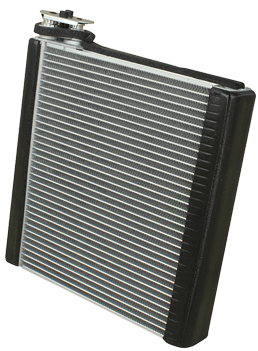
In most commercial and industrial systems, an evaporator coil is intended to operate for the full life of the equipment. There is no planned replacement interval because coils typically fail only when corrosion, leaks, or mechanical wear have progressed far enough to affect system performance. With proper installation, filtration, and airflow, coil replacement is rarely needed.
Modern refrigerants can affect coil longevity as well. High pressure refrigerants (such as R-410A) place greater stress on tubing and joints, especially in systems not originally designed for those pressures. Material fatigue, vibration, and corrosive environments can accelerate coil failure.
Coil Replacement vs. Full System Replacement
When evaluating evaporator coil replacement, it’s important to consider the age and condition of the entire system.
Replacing only the evaporator coil is common when the rest of the system is in good condition. However, when equipment is aging, uses obsolete components, or relies on phased-out refrigerants, replacing the entire system may be the better investment.
A full evaporator replacement is worth considering when:
- The system is more than 10-12 years old. Performance, efficiency, and component reliability naturally decline. Installing a new coil on an aging system may only offer short term improvement.
- The coil model is obsolete. Older equipment may not meet current efficiency standards, and compatible replacement coils may no longer exist.
- The system uses R-22 refrigerant. R-22 is phased out, not to mention expensive. Upgrading the entire system avoids ongoing refrigerant limitations and future compliance issues.
Preventing Coil Damage and Extending Coil Life
A well maintained evaporator coil operates longer and more reliably. Consistent filtration checks, cleanings, airflow management, and clear drainage paths reduce moisture buildup and keep debris from settling on the fins. These steps limit corrosion, minimize mechanical stress and help avoid early failures. In harsher environments, protective coatings add another layer of defense against chemical exposure and moisture.
CS Coil supports facility teams by manufacturing durable replacement coils and providing guidance on corrosion coating options, maintenance practices, and operating conditions that help protect coil integrity.
When to Contact CS Coil
If your facility is experiencing cooling loss, repeated leaks, or ongoing coil related downtime, it may be time for an evaluation. CS Coil is a commercial coil manufacturer specializing in microchannel and tube-and-fin coil solutions.
Talk to CS Coil todayabout custom-built evaporator coils designed for your application.
Check out some of our other articles: