How to Clean AC Coils: A Microchannel Coil Cleaning Guide
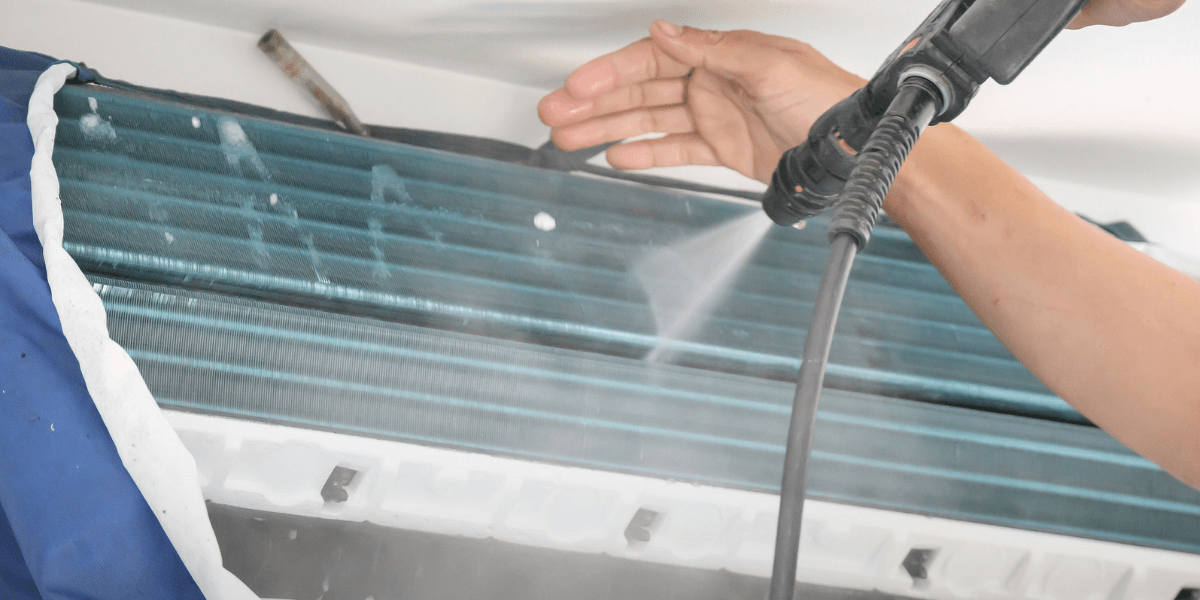
Dirt and debris on AC coils can restrict airflow and reduce heat transfer. For microchannel coils, cleaning methods must suit the aluminum construction and any protective coating. This guide explains what commercial maintenance teams should check before cleaning, how to avoid damage and when to involve a qualified HVAC technician.
Why Microchannel AC Coils Need Cleaning
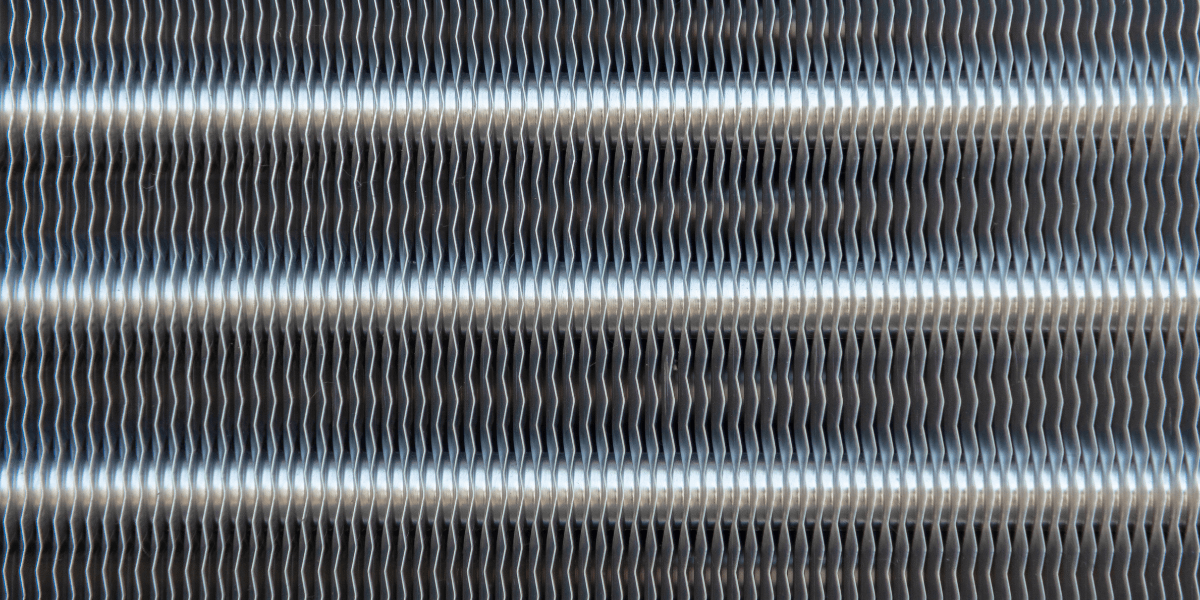
Microchannel coils use flat tubes with small internal passages and fins that transfer heat to or from the air. Dirt, grease and debris on the external coil surface can obstruct airflow and reduce performance.
The internal passages carry refrigerant or fluid. Routine external cleaning removes buildup from the airside surfaces; it does not clean those internal passages.
Keeping the coil surface clean helps maintain airflow and heat transfer. It also allows maintenance teams to inspect for corrosion, damaged fins and other signs of coil failure.
Signs Your AC Coils Need Inspection
Visible dirt or debris on the coil is a reason to inspect its condition and cleaning needs. Other symptoms that warrant inspection include:
- Reduced cooling capacity
- Restricted airflow
- Increased energy use
- Ice forming on the evaporator coil
- Persistent odors or drainage problems
These symptoms can also result from fan problems, refrigerant issues, clogged filters or other equipment faults. Confirm the cause before assuming coil cleaning will resolve the problem.
How to Clean Microchannel AC Coils
Qualified maintenance personnel should follow the equipment, coil and coating manufacturers’ cleaning instructions. Those instructions determine the approved tools, water pressure, cleaning products and restart procedure.
1. Isolate Power and Access the Coil
Disconnect electrical power and follow the site’s lockout/tagout procedures before opening the equipment. Remove the necessary access panels and protect electrical components from water.
Inspect the coil for damage, corrosion and coating deterioration before cleaning. Remove loose debris using the method approved by the manufacturer.
2. Confirm the Approved Cleaning Method
Do not assume that a chemical cleaner is required. Some microchannel coil manufacturers recommend water and discourage detergents.
If a cleaner is permitted, confirm that it is approved for the specific coil and protective coating. Follow its dilution, application, contact-time and rinsing instructions. An aluminum-safe label alone does not establish compatibility.
Avoid substituting a foaming cleaner or general-purpose degreaser without approval.
3. Rinse According to Manufacturer Instructions
Use the specified water pressure, spray pattern, nozzle distance and cleaning direction. Avoid a concentrated spray that could damage fins, tubes or coatings.
Where access and manufacturer instructions permit, rinsing opposite the normal airflow direction can help remove debris rather than push it farther into the coil. Rinse approved cleaning products thoroughly as directed.
4. Inspect, Reassemble and Check Performance
Check for remaining debris, coating damage and blocked drainage paths. Follow the manufacturer’s drying and reassembly requirements before restoring power.
After restart, verify equipment operation. If cooling or airflow problems remain, investigate other causes rather than repeatedly applying cleaner.
How Often Should Microchannel AC Coils Be Cleaned?
For many commercial systems, annual cleaning is a starting point, with more frequent cleaning in dirty or corrosive environments. Follow the equipment manufacturer’s schedule and clean sooner when inspections show buildup restricting airflow.
Coils exposed to construction dust, grease, cottonwood, salt air or industrial contaminants may need attention several times a year. Inspect them more frequently during periods of heavy exposure and use the buildup found to adjust the cleaning schedule.
Microchannel Coil Cleaning Mistakes to Avoid
- Using an unapproved cleaner: Compatibility must include both the coil materials and any protective coating.
- Applying excessive pressure: A concentrated spray can damage the coil surface.
- Leaving cleaner residue: Follow the product’s rinsing instructions.
- Using unapproved brushes or tools: Aggressive scrubbing can damage fins or coatings.
- Cleaning energized equipment: Isolate power before servicing.
- Ignoring filters and surrounding debris: Address conditions that restrict airflow or contribute to repeated buildup.
- Treating every cooling problem as a dirty coil: Check other system components when symptoms persist.
Include coil inspections in your regular heat exchanger maintenance plan.
CS Coil Cleaning Solutions and Support
At CS Coil we build microchannel coils to perform, and we help you keep them performing! From guidance on proper cleaning practices to corrosion coating options that reduce buildup, we’re here to support your long-term system health.
Need help selecting the right AC coil cleaner? Not sure how often your system needs servicing? Looking to buy new evaporator coils, condensor coils, or fluid coolers? Reach out to our team ASAP. We’re here to help you protect your investment and keep your HVAC system running like it should.
Talk to CS Coil today and ask about our commercial coil solutions.