Microchannel Cooling in HVAC: Benefits, Efficiency & Coil Design
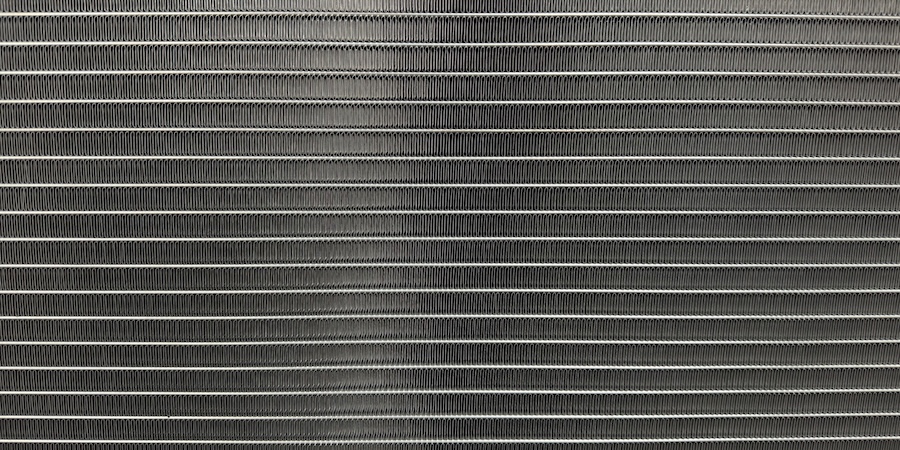
Microchannel cooling is being used more often in HVAC equipment for a few reasons. OEMs want better efficiency, lower refrigerant charge, and more capacity in a smaller cabinet. Microchannel coils help with that by using flat aluminum multi-port tubes instead of traditional round copper tubes. Refrigerant moves through a series of small internal passages rather than a larger round tube, which changes how the coil transfers heat and how much refrigerant it holds.
That does not automatically make microchannel the right choice for every system. Coil design still has to match the application, the operating environment, and how the equipment will be serviced.
What is Microchannel Cooling in HVAC Systems?
In HVAC equipment, microchannel cooling usually refers to condenser or evaporator coils built with flat aluminum tubes, aluminum fins, and headers that distribute refrigerant across the coil. The coil is still doing the same job it always does. In a condenser, it rejects heat. In an evaporator, it absorbs heat. The difference is in how the refrigerant moves through the coil and how the heat exchanger is built.
Instead of flowing through larger round tubes, refrigerant moves through many narrow parallel passages inside each flat tube. That gives the coil a lot of internal heat transfer surface in a relatively shallow design, and it shortens the distance heat has to travel through the tube wall. That is a big part of why microchannel coils can work well in equipment where space and refrigerant volume both matter.
Why Microchannel Cooling Can Improve HVAC Efficiency
Higher heat transfer in a compact coil
Microchannel coils can provide strong thermal performance without always needing the same coil depth as a traditional fin-and-tube design. That gives equipment manufacturers more flexibility when they need to fit condenser or evaporator capacity into a tighter cabinet.
Lower refrigerant charge
A major advantage of microchannel cooling is lower internal volume, which can reduce the amount of refrigerant required in the coil. That can help lower refrigerant cost, support lower-charge system designs, and align with broader refrigerant reduction goals.
Where Microchannel Cooling Fits Best
Microchannel cooling is often used where space constraints, system efficiency, or equipment weight are part of the design problem. Here are some examples:
- Commercial rooftop units
- Air-cooled condensers and chillers
- VRF and split-system outdoor units
- Refrigeration condensing units
- Custom HVAC equipment with tight cabinet footprints
In these systems, a shallow coil can be a real advantage. Microchannel coils are also lighter than comparable fin-and-tube coils because they use all-aluminum construction and lower internal volume. In rooftop and packaged equipment, that can help with cabinet design, handling, and overall unit weight.
Microchannel Coils vs. Traditional Fin-and-Tube Coils
A traditional HVAC coil usually uses round copper tubes with aluminum fins. A microchannel coil uses flat aluminum multi-port tubes and aluminum fins. In many cases, the microchannel design can reduce refrigerant charge and fit into a smaller coil package. Traditional fin-and-tube coils, on the other hand, are familiar to most technicians and may still make more sense in some service-heavy applications.
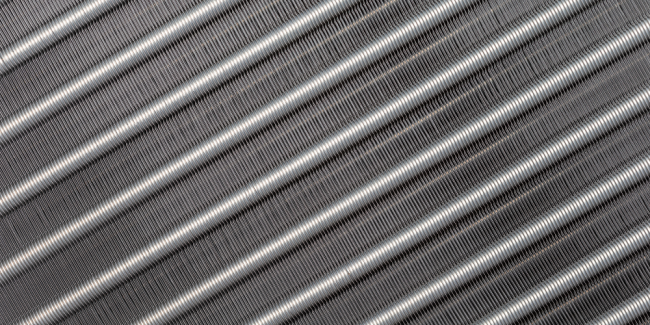
There is not one answer for every system. If the priority is reducing refrigerant charge, improving heat transfer, or fitting the coil into a tighter equipment layout, microchannel may make sense. If field repairability, heavy fouling, or a harsh operating environment are the bigger concerns, a conventional coil may still be the better fit. This is where application details start to matter.
The Tradeoffs
Like any airside heat exchanger, a microchannel coil loses performance when dirt and debris block airflow. Cottonwood, grease, dust, and airborne contaminants can all reduce heat transfer if the coil is not kept clean. In dirty environments, maintenance practices matter just as much as coil design.
Field repairs on microchannel coils are not always handled the same way as copper tube coils. Depending on the damage and the application, repair may be possible, but replacement can be the more practical option in some cases. That is worth thinking through before a coil is specified, especially in facilities where downtime and serviceability are major concerns.
Corrosion still has to be managed as well. Coastal air, industrial contaminants, and chemical exposure can all shorten coil life if the coil is not designed and protected for the environment.
Why Manufacturing Quality Affects Microchannel Coil Performance
The benefits of microchannel cooling depend on more than the coil geometry alone. The coil still has to be designed correctly for the load, refrigerant, airflow, and operating environment. Refrigerant distribution, header design, fin geometry, braze quality, and pressure integrity all affect how the coil performs in the field.
A microchannel coil can look good on paper and still be the wrong fit if the design does not match the application. That is one reason coil manufacturing experience matters, especially in custom HVAC and replacement coil work.
Need Help with a Microchannel Coil Application?
If you are evaluating microchannel cooling for an OEM design, replacement coil, or custom HVAC application, CS Coil can help. We design and manufacture custom and replacement HVAC coils for commercial and industrial systems, including coils built around performance requirements, space limitations, and operating conditions.
Contact CS Coil today to talk through your project with our team.