HVAC Coil Coatings: Preventing Rust and Corrosion on Evaporator Coils
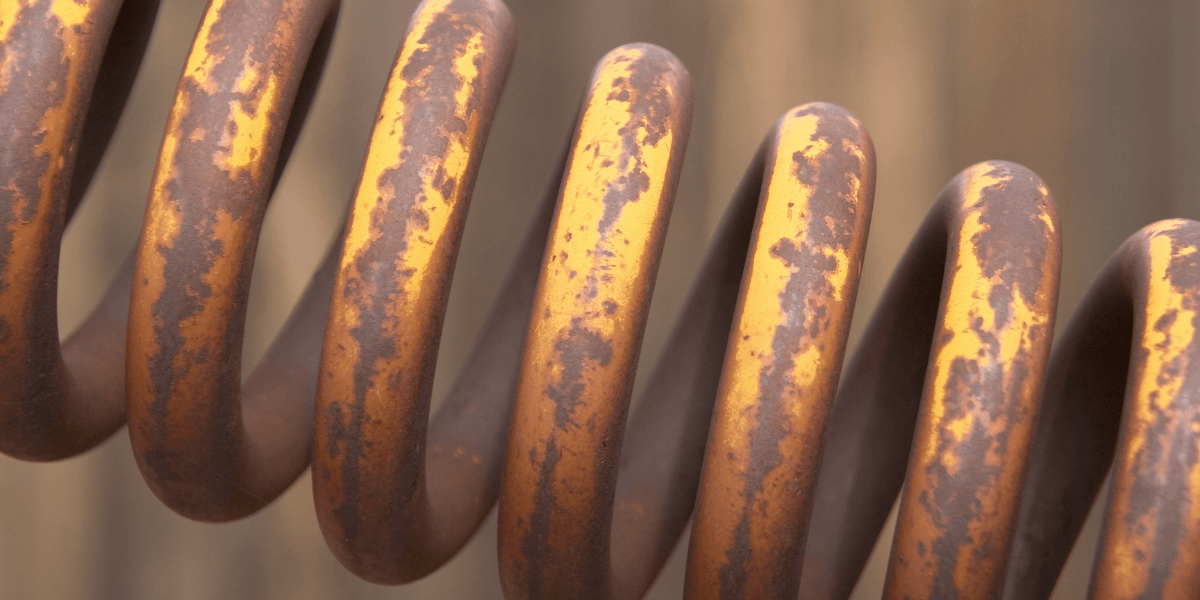
Protective HVAC coil coatings help limit corrosion caused by moisture, salt air and chemical exposure. For commercial and industrial equipment, coating selection should account for the coil’s materials, operating environment and maintenance requirements. Specifying protection before installation can help reduce corrosion-related damage and premature coil replacement.
Why Do Evaporator Coils Develop Rust or Corrosion?
“Rust” refers to corrosion of iron or steel components. Aluminum and copper coil surfaces can also corrode, but that damage is not technically rust. Identifying the affected material helps determine the appropriate protection or corrective action.
Conditions that can contribute to coil failure include:
- Moisture and condensation: Wet surfaces can support corrosion when contaminants are present.
- Salt air: Coastal exposure can accelerate deterioration of unprotected metal surfaces.
- Chemical exposure: Industrial fumes, airborne pollutants and incompatible cleaning products can attack coil materials.
- Accumulated debris: Deposits can retain moisture and contaminants against the coil surface.
Both evaporator coils and condenser coils may need protection suited to their environment.
What Is HVAC Coil Coating?
HVAC coil coating is a protective layer applied to compatible coil surfaces to limit contact with corrosive substances. A coating intended for heat exchangers must provide protection while limiting its effect on heat transfer and airflow.
A properly selected and applied coating can help:
- Reduce corrosion-related damage to fins, tubes and headers
- Preserve heat-transfer surfaces over time
- Extend service life in corrosive environments
- Reduce the risk of premature replacement
Coating does not repair existing leaks or restore metal already lost to corrosion. A damaged coil needs evaluation before coating or recoating is considered.
How to Choose a Protective Coil Coating
Coating selection should be based on the specific product’s documented performance and compatibility with the coil.
Match the Coating to the Environment
Identify exposure to salt air, chemical fumes, condensation and cleaning products. Outdoor coils may also need resistance to sunlight and weathering.
Provide the manufacturer with the actual exposure conditions. A coating suitable for one facility may not suit another with different chemicals or operating temperatures.
Confirm Compatibility with the Coil
The coating must be suitable for the coil’s materials and construction. Microchannel coils, conventional tube-and-fin coils and previously coated surfaces may require different preparation and application methods.
Compare Product Specifications
Coating systems may use epoxy, phenolic epoxy, polyurethane or other formulations. Product names alone do not establish suitability.
Review:
- Chemical and environmental resistance
- Approved substrates
- Operating temperature limits
- Application and curing requirements
- Effects on heat transfer and airflow
- Cleaning and maintenance instructions
Ask the coil manufacturer which protective coating options are available for the specified coil.
How Protective Coatings Are Applied to Coils
The application process depends on the coating product and coil design. Manufacturer-approved procedures should guide each stage.
1. Surface Preparation
Surfaces are cleaned and prepared to remove contaminants that could interfere with adhesion. Preparation methods must be compatible with the coil’s thin fins, tubes and existing finish.
2. Coating Application
The approved coating is applied using the method specified for the product. Coverage and film thickness must be controlled to protect the surfaces without obstructing airflow passages.
3. Curing
The coating is cured according to its product instructions. Some systems require baking, while others cure under specified ambient conditions.
4. Inspection
The finished coating is checked for coverage, defects and other requirements specified by the coating manufacturer. Applicable thickness or adhesion checks depend on the coating system and substrate.
When Should Coil Coatings Be Inspected or Reapplied?
There is no universal recoating interval. Inspection frequency depends on environmental exposure, equipment use and the coating manufacturer’s maintenance instructions.
Check for:
- Peeling, blistering or damaged coating
- Exposed metal
- Corrosion deposits
- Physical damage to fins, tubes or headers
Reduced cooling, refrigerant leaks or rising energy use also warrant investigation, but they do not prove that recoating is the correct solution.
Follow approved coil cleaning procedures and incorporate coating inspections into regular heat exchanger maintenance. Consult the manufacturer before touching up or recoating damaged areas.
Why Specify Coil Protection Before Installation?
Selecting a coating during coil specification allows the materials, preparation and application process to be considered together. It can also avoid the access limitations associated with treating an installed coil.
For replacement equipment, review the conditions that damaged the original coil. Salt exposure, chemical contaminants and maintenance practices should inform the replacement coil’s protection requirements.
If corrosion has caused extensive damage or repeated leaks, evaluate coil replacement before investing in additional coating.
Discuss Protective Coil Coatings with CS Coil
CS Coil designs and manufactures microchannel evaporator coils, condenser coils and fluid coolers. Our team can review your operating environment and discuss protective coating options for your coil application.
Contact CS Coil to discuss your requirements or request a quote.