Microchannel Coil vs. Copper Coil: Materials, Corrosion and Maintenance
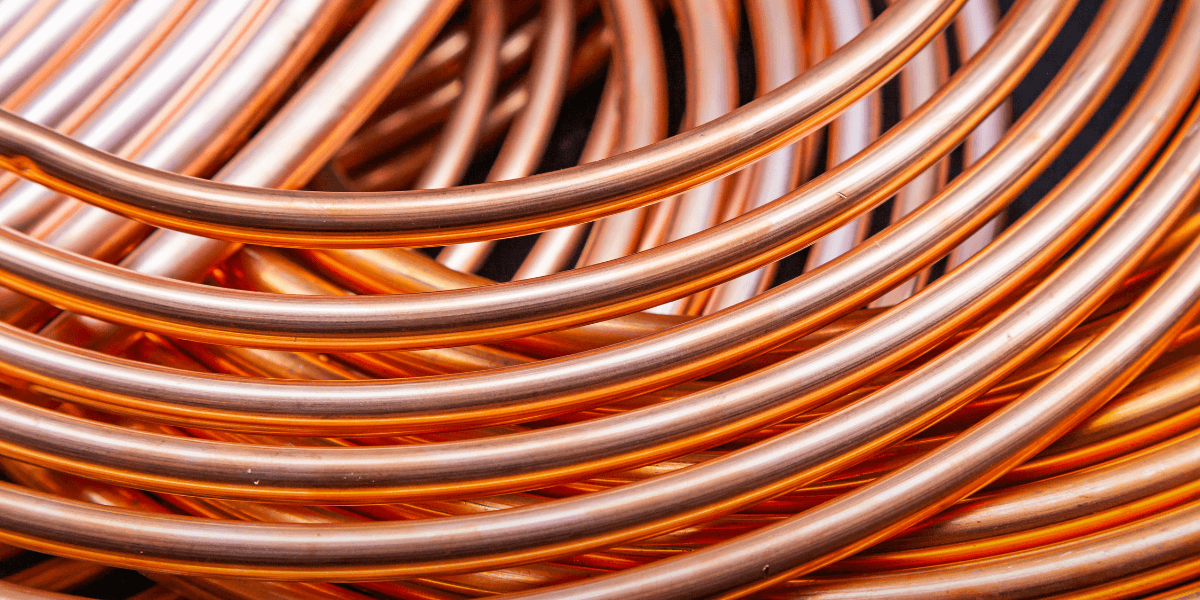
The main difference between a microchannel coil and a copper coil is their construction. Microchannel coils typically use flat aluminum tubes, aluminum fins and aluminum headers. In this comparison, “copper coil” means a conventional coil with copper tubing and aluminum fins. Both designs transfer heat, but their materials, refrigerant volume, corrosion protection and service requirements can affect the choice for your HVAC or refrigeration application.
Microchannel Coil vs. Copper Tube Aluminum Fin Coils
BCoil performance depends on the complete design and operating conditions. This table summarizes the construction and service differences to compare.
| Feature | Microchannel Coil | Copper Tube Aluminum Fin Coil |
|---|---|---|
| Typical Materials | Aluminum tubes, fins and headers | Copper tubes with aluminum fins |
| Tube Design | Flat tubes with multiple small internal passages | Round copper tubes |
| Tube-to-Fin Connection | Brazed connection | Typically mechanical expansion and contact |
| Thermal Performance | Depends on geometry, airflow, circuiting and operating conditions | Depends on geometry, airflow, circuiting and operating conditions |
| Corrosion Considerations | Aluminum alloys, coatings and environmental exposure affect resistance | Copper/aluminum connections, coatings and environmental exposure affect resistance |
| Size and Weight | Often compact and lightweight for comparable capacity | May require greater depth and weight for comparable capacity |
| Refrigerant Volume | Typically lower for comparable applications | Typically higher for comparable applications |
| Cleaning | Follow procedures approved for the aluminum construction and coating | Follow procedures approved for the tubing, fins and coating |
| Field Repair | Options depend on damage location and manufacturer guidance | Copper tubing may offer more familiar repair options |
| Cost | Compare the specified coil, installation and operating costs | Compare the specified coil, installation and operating costs |
What is a Microchannel Coil?
A microchannel coil uses flat tubes containing multiple small internal passages. The tubes, fins and headers are typically aluminum and brazed together. This construction provides a compact heat-transfer surface with relatively low internal refrigerant volume.
Features and Benefits
- Reduced refrigerant volume: Small internal passages can reduce the refrigerant charge needed for the coil compared with conventional tube-and-fin designs of comparable capacity.
- Compact dimensions: Microchannel construction can help meet capacity requirements where coil depth or cabinet space is limited.
- Lower weight: All-aluminum construction can reduce coil weight compared with comparable copper tube/aluminum fin designs.
- Brazed tube-to-fin connection: The connection provides direct thermal contact between the tubes and fins.
Corrosion and Service Considerations
All-aluminum construction reduces dissimilar-metal contact within the coil core. It does not make the coil immune to corrosion. Salt air, chemical exposure, contaminants and unsuitable cleaning products can still damage aluminum surfaces.
Repair options depend on the location and extent of the damage. Consult the manufacturer before deciding between field repair and replacement.
Where Microchannel Coils May Fit
Microchannel coils can suit commercial HVAC, refrigeration, mobile cooling and OEM equipment where compact dimensions, equipment weight and refrigerant volume influence the design. Selection should account for operating conditions, environmental exposure and service requirements.

Coating Tip: For coastal or chemically aggressive environments, discuss protective coating options with the coil manufacturer before specifying the coil.
What is a Copper Tube Aluminum Fin Coil?
A copper tube aluminum fin coil uses round copper tubing surrounded by aluminum fins. The tubes are typically mechanically expanded into the fins to establish thermal contact. Multiple tube rows, fin spacing and circuit arrangements can be used to meet application requirements.
Features and Benefits
- Familiar service methods: Copper tubing is familiar to many HVAC technicians and may allow field repairs, depending on the damage and access.
- Design flexibility: Tube sizes, row counts, fin spacing and circuiting can be selected for the required capacity and pressure drop.
- Established construction: Copper tube/aluminum fin coils are used throughout HVAC, refrigeration and process cooling equipment.
Corrosion and Service Considerations
Copper tubing does not make the entire coil corrosion-resistant. Aluminum fins, copper/aluminum contact points and other components remain exposed to environmental conditions. Protective coatings may be appropriate for coastal or industrial applications.
An accessible, localized tubing leak may be repairable. Widespread corrosion, repeated leaks or extensive damage may make replacement more practical. Cleaning methods should follow the manufacturer’s instructions for the fins, tubing and coating.
Where Copper Tube Aluminum Fin Coils May Fit
Copper tube/aluminum fin construction may suit applications where the existing equipment design, circuiting requirements or field service needs favor conventional tubing. Compare the specified coil’s capacity, dimensions, pressure drop and environmental protection before choosing it.
Microchannel Coil vs Copper Coil…Which One is Right for You?
Choosing between a microchannel coil vs copper coil depends on several factors:
- If efficiency and weight savings are your priority, go with a microchannel coil.
- If durability in harsh environments is more important, choose a copper tube aluminum fin coil.
- For lower refrigerant costs, microchannel is the better option.
- If you need easier maintenance and repairs, copper is the way to go.
No matter which coil you choose, regular maintenance is key to keeping your system running efficiently. Proper cleaning, checking for leaks, and monitoring for corrosion can extend the life of both microchannel and copper coils.
For a broader comparison of coil geometry and airflow performance, read our microchannel versus tube-and-fin coil guide.
Get Reliable, High-Performance Coils from CS Coil
Quality matters when it comes to heat exchangers. At CS Coil, we build durable, high-efficiency evaporator coils, condenser coils, and fluid coolers designed to keep your systems running at their best. Microchannel or copper, our experts can help you find the right solution.
Contact us today for a quote or more details about our products.